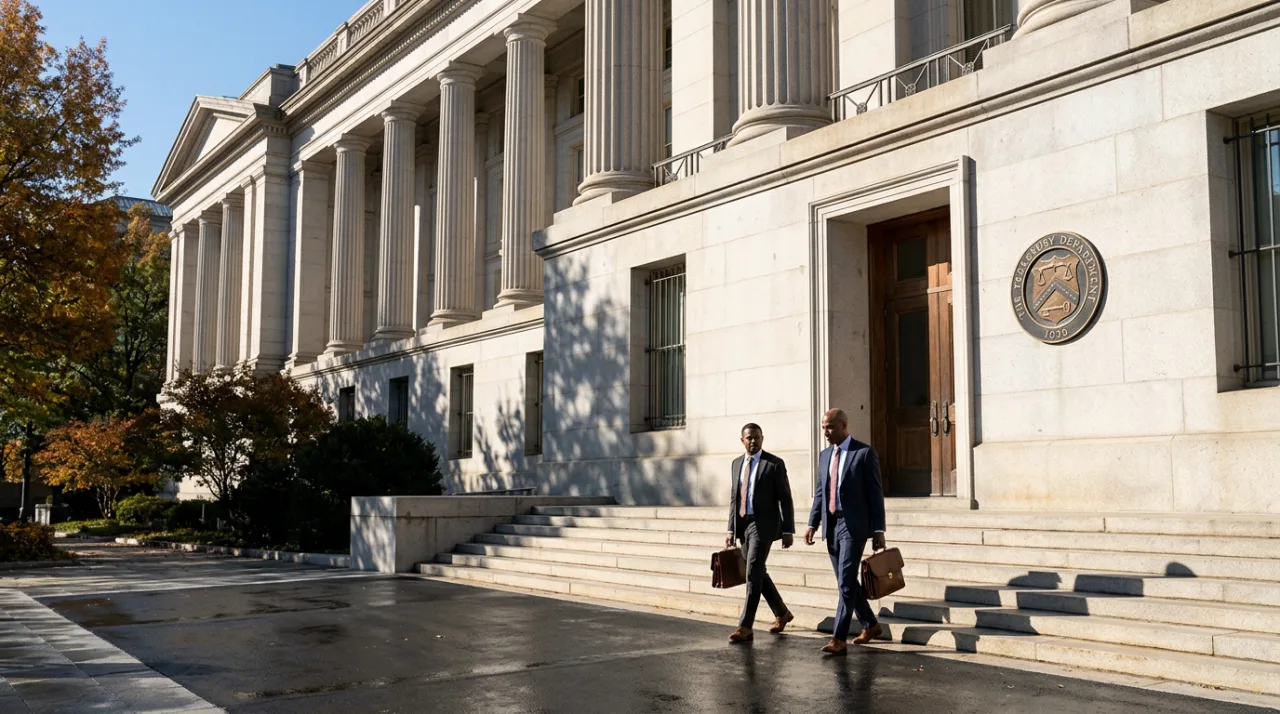
The U.S. Treasury Department released a Notice of Proposed Rulemaking on October 22, 2026 to expand the Outbound Investment Security Program through the COINS Act. The measure targets U.S. person investments in artificial intelligence systems, supercomputing and other dual-use technologies that could support military modernization in China and several other countries of concern.
Scope of the Expanded US Treasury Outbound Investment AI Restrictions
The NPRM shifts most AI and super-intelligence transactions from a notification regime to an outright prohibition when the investment exceeds $50,000. It covers entities in China, Hong Kong, Macau, Cuba, Iran, North Korea and Russia that develop or produce covered technologies. Biotechnology joins the existing statutory list that already includes semiconductors, quantum information technologies, high-performance computing and hypersonic systems.
Technical thresholds define covered activities. Hypersonic systems must reach Mach 5 or higher. Certain biotechnology compounds and brain-computer interfaces fall under new controls. Routine portfolio investments in publicly traded securities remain outside the scope, as do many standard banking and fund-management activities. The rules apply to U.S. persons and any foreign entities they control.
Treasury Secretary Scott Bessent noted that the proposal aims to close gaps that previously allowed indirect support for adversary capabilities while preserving an open investment environment for non-sensitive sectors. Existing enforcement precedents include a $200,000 civil penalty issued for failure to file a required notification under the prior program.
Background, Timeline and Market Implications
The October 22 proposal builds directly on the 2023 executive order that created the initial outbound investment program and on the COINS Act enacted in December 2025 as part of the FY2026 National Defense Authorization Act. Those earlier steps limited investments in semiconductors, quantum computing and certain AI applications for China only. The new rule adds countries and sectors while converting many AI transactions to prohibited status.
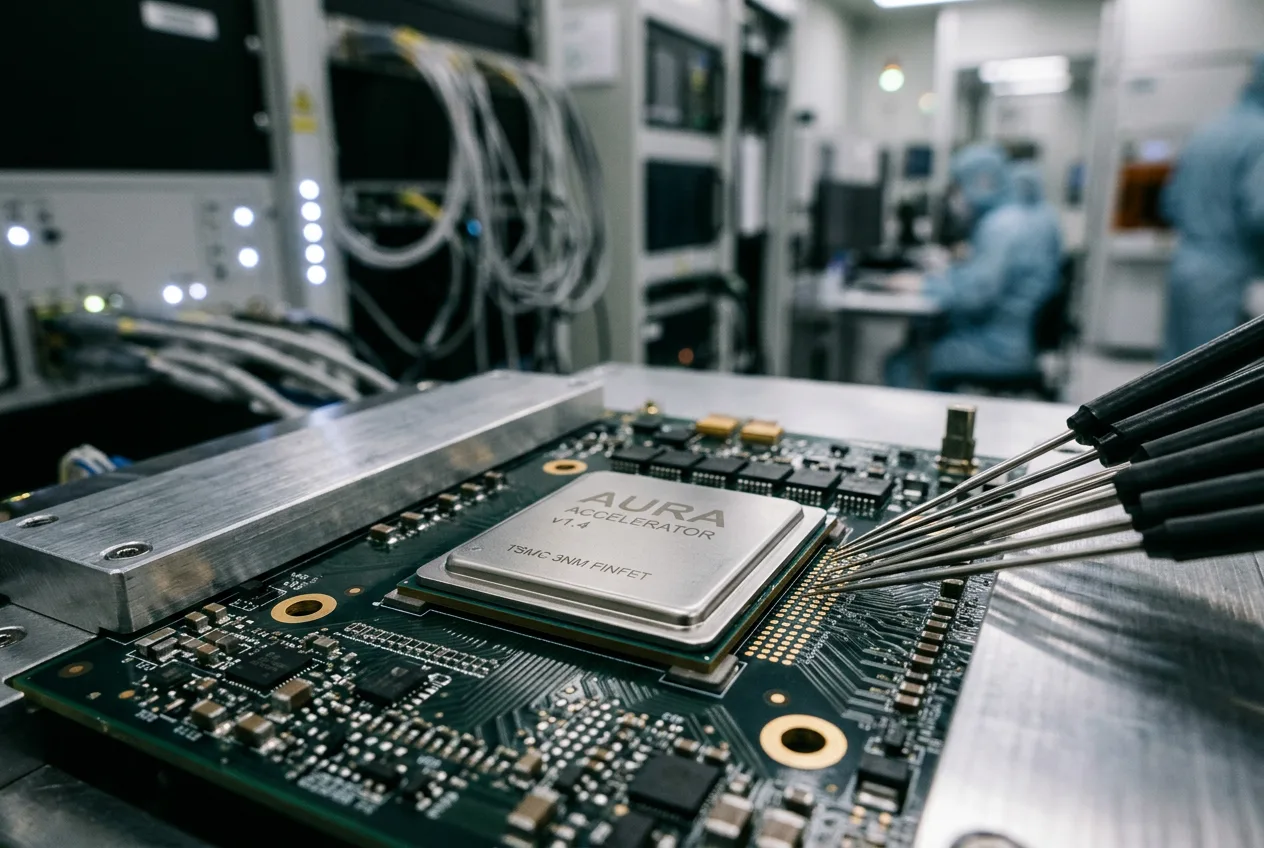
Publication in the Federal Register is scheduled for October 26, 2026. The public comment period runs through December 7, 2026. Treasury must issue a final rule by the statutory deadline near March 2027. Until then the current outbound investment rules remain in force.
Investors and corporate development teams should map existing and planned transactions against the new technical parameters now rather than wait for the final text. Early compliance reviews can identify whether a contemplated deal triggers notification or prohibition and allow time to restructure or withdraw. Companies with controlled foreign subsidiaries need to verify that those entities also observe the $50,000 threshold and covered-technology definitions.
International Reactions and Enforcement Outlook
China’s Ministry of Commerce issued a statement on October 24, 2026 expressing firm opposition and labeling the measure discriminatory and an overreach of national-security claims. Officials warned of possible countermeasures that could affect bilateral commercial ties and U.S. firms operating in China.
Market participants should monitor Treasury’s review of comments and any adjustments to the final rule. The agency has indicated it will publish additional guidance on technical definitions and enforcement priorities after the comment period closes. Firms that have previously filed notifications under the existing program can use those filings as a baseline for assessing new exposure.
Frequently asked questions
What technologies does the new US Treasury outbound investment AI rule cover?
The proposal covers semiconductors, artificial intelligence systems, quantum information technologies, high-performance computing, hypersonic systems and biotechnology when developed in countries of concern.
When will the COINS Act investment restrictions take effect?
The NPRM was issued October 22, 2026 with comments due December 7. A final rule is expected by March 2027, while current rules stay in place until then.
Does the rule apply to routine stock purchases in Chinese companies?
No. Many routine portfolio investments and standard financial transactions remain exempt provided they do not involve covered entities developing the listed technologies.
Which countries are included besides China?
The list comprises China including Hong Kong and Macau, Cuba, Iran, North Korea and Russia. Venezuela appears in the statute but does not currently meet the regulatory definition.
By YasTech Editorial
Comments 2