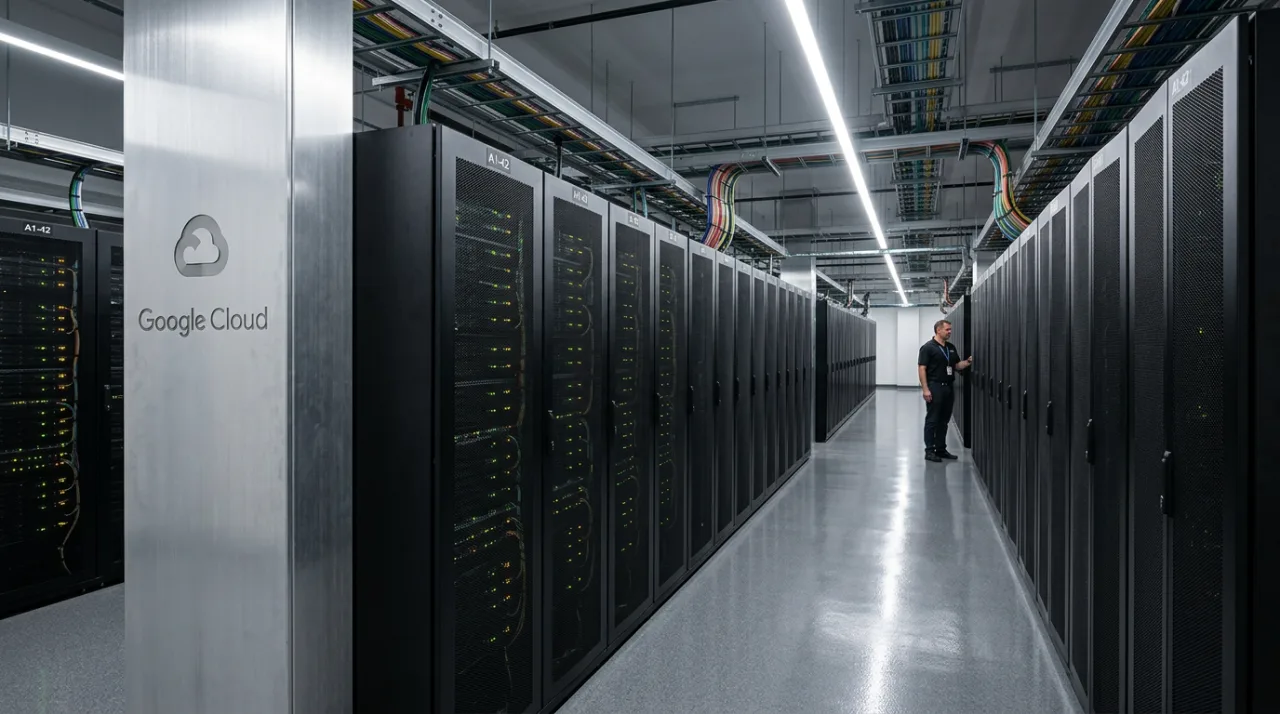
Google previewed its Multi-Party Compute custody platform on October 28, 2026, at the Digital Assets Symposium in New York. The service splits private keys across multiple isolated environments and targets institutional holders of crypto and tokenized assets. Commercial release is scheduled for early 2027.
Technical Design and Supported Chains
The system uses a hardened DKLS23 threshold MPC protocol. Private signing keys are divided into shares stored in separate secure environments such as Google Cloud Confidential Space with AMD SEV-SNP enclaves, customer on-premises hardware, or additional clouds. A configurable threshold, such as 2-of-3 or 5-of-7, must approve any signature; the complete key never exists in a single location.
At launch the platform supports ECDSA on secp256k1 for Bitcoin, Ethereum and other EVM chains. Ed25519 and EdDSA signatures with Schnorr extensions are listed for Solana and described as coming soon. A policy engine running inside Confidential Space checks every transaction against rules including spending limits, destination allowlists and approval workflows before any signature is generated.
Enterprise features include key recovery workflows, role-based governance through KeyRings and KeyPolicies, and an explicit upgrade path to post-quantum cryptography once blockchains adopt the necessary standards. Alphabet already runs the platform internally to protect its own holdings on Ethereum and Solana.
Market Context and Competitive Position
Private-key theft remains the dominant vector for losses in digital assets. Chainalysis and DeFiLlama data show that roughly 40 percent of reported DeFi exploits through mid-2026 involved key compromise. Google’s offering addresses these risks with hardware isolation and policy enforcement that existing specialized custodians have also pursued.

The preview places Google in direct competition with providers such as Fireblocks, BitGo and Fordefi. It builds on earlier 2023 guidance from Google Cloud on Confidential Space MPC techniques. Institutions testing the private preview have not been named, and no pricing details have been released.
Participants in the current preview phase are evaluating integration with existing treasury systems and compliance stacks. Further iterations during the preview period will determine final chain support and governance options before the early-2027 general availability date.
Practical Implications for Institutions
Asset managers and banks evaluating custody options can now review a major cloud provider’s approach alongside established specialists. The architecture reduces single-point exposure while keeping key material under customer control, a combination that regulatory frameworks increasingly favor.
Teams planning multi-cloud or hybrid deployments gain a documented path to distribute shares across Google infrastructure and their own hardware. The stated post-quantum roadmap also supplies a timeline for future-proofing signing operations as quantum-resistant algorithms move into production blockchains.
Frequently asked questions
When will Google MPC custody become generally available?
Google plans commercial availability for early 2027 following the current private preview with selected financial institutions.
Which blockchains does the initial version support?
The platform supports ECDSA on Bitcoin, Ethereum and EVM-compatible chains at launch, with Ed25519 and EdDSA for Solana listed as coming soon.
How does the threshold MPC system protect keys?
Private keys are split into shares stored in isolated environments. A pre-defined number of shares must cooperate to sign a transaction, and the full key is never reconstructed in one place.
Can customers control their own key material?
Yes. Customers retain ownership of key shares, and Google states it cannot access unencrypted shares. Policies run inside customer-controlled confidential environments.
By YasTech Editorial
Comments 1