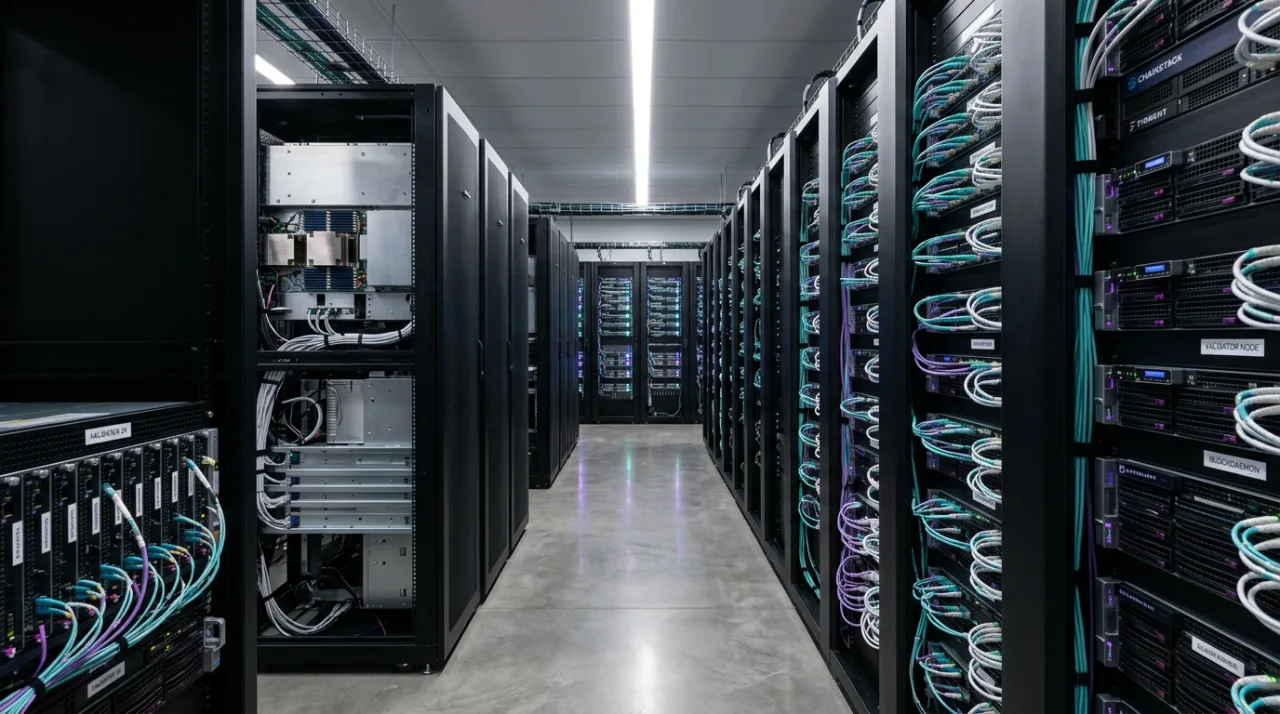
Solana activated the Votor phase of its Alpenglow consensus upgrade on mainnet on October 21, 2026. The change replaced the TowerBFT protocol that had operated since the network launch in March 2020 and introduced a new voting mechanism designed to reach finality in approximately 150 milliseconds.
The switch occurred during epoch 1064 at slot 459,653,000 around 13:54 UTC. The final TowerBFT block was produced at slot 459,652,999. The migration completed in a single slot without rolling back any user transactions.
Solana Alpenglow Upgrade Technical Changes and Activation Process
Validators now sign votes with BLS signatures and aggregate them into compact certificates off-chain. This removes vote transactions from blocks, which reduces reported transactions per second while leaving actual user activity unchanged. Proof of History no longer paces consensus, and each validator pays a Validator Admission Ticket of 0.8 SOL per epoch that is burned.
The new protocol uses a fast path that finalizes transactions in roughly 100 milliseconds when at least 80 percent of stake approves in one round. The slow path requires two rounds and at least 60 percent stake approval, reaching finality in about 150 milliseconds. Early dashboard readings after activation showed observed finality near 202 milliseconds. Under the previous TowerBFT system, finality averaged 12.8 seconds at standard slot times and about 6 seconds at 200-millisecond slots.
Alpenglow tolerates up to 20 percent malicious stake plus 20 percent offline or crash failures. The prior TowerBFT design offered roughly 33 percent Byzantine fault tolerance. SIMD-0326, which authorized the upgrade, received between 98.27 and 98.94 percent support when approved in September 2025. Testing progressed from a community cluster in May 2026 to testnet on September 24 and devnet on September 25.
Validator Requirements and Solana Network Performance Implications
Operators must run an Agave-based client version 4.3.2 or later and keep at least 0.8 SOL above the rent-exempt minimum in their vote accounts. The Firedancer and Frankendancer clients were not supported during the migration. No major operational issues were reported in the first hours after the switch.
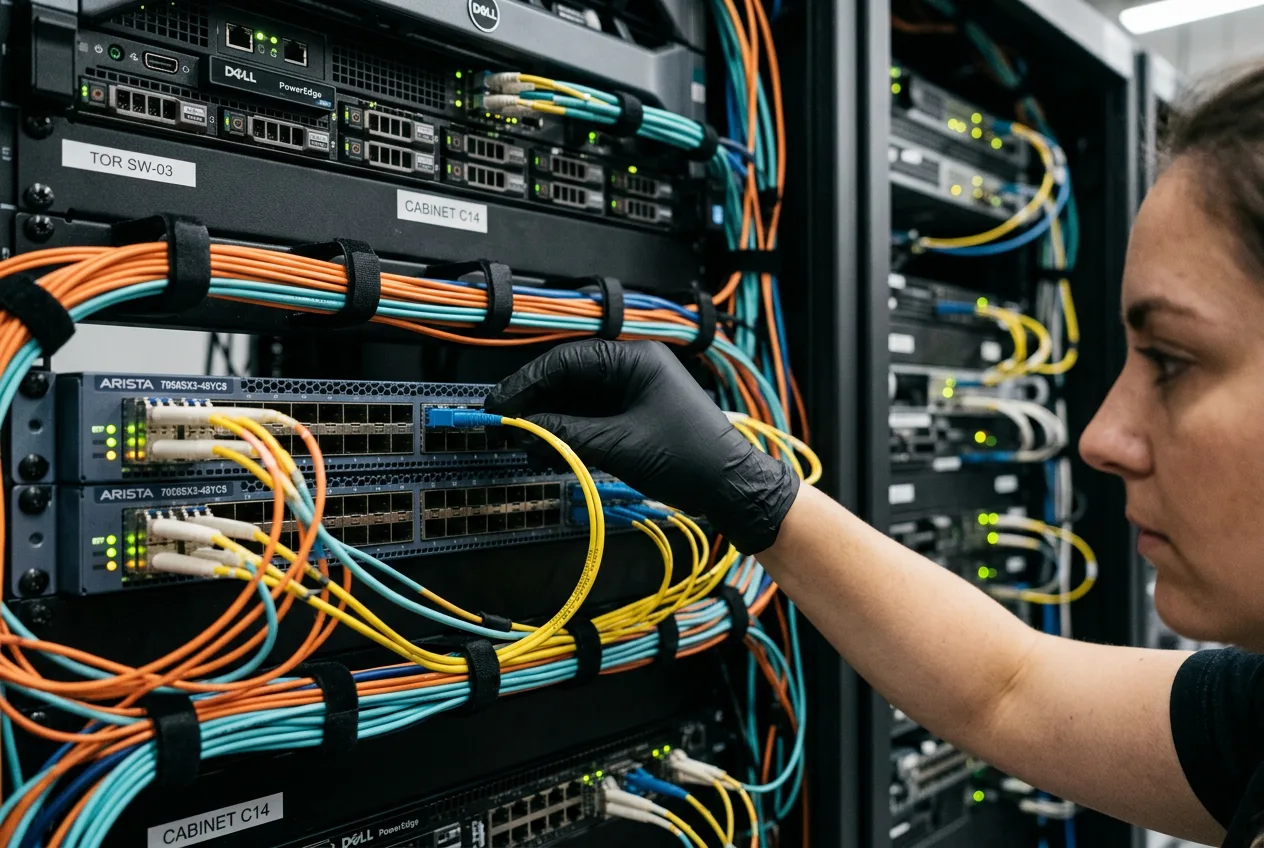
The reduction in finality time improves responsiveness for applications that rely on quick settlement, such as decentralized exchanges and payment services. Developers can now design workflows that assume irreversibility within a fraction of a second rather than waiting multiple seconds. Reduced on-chain vote traffic also lowers the data load on validators, which may improve overall block propagation stability over time.
Network participants should monitor commitment level convergence and update any custom Geyser or gRPC integrations that reference bank_id values. Infrastructure teams are advised to verify that monitoring dashboards correctly interpret the new finality metrics. The upgrade was designed by Anza, with contributions from researchers including Roger Wattenhofer of ETH Zurich, and was described by Anza CEO Brennan Watt as the largest consensus change since Solana’s launch.
Next Steps After the Alpenglow Consensus Shift
The Rotor component, intended to replace the Turbine block propagation protocol, remains unscheduled. Additional research into post-quantum signatures under the working name Quantumglow continues without a published timeline. Teams continue to collect performance data and refine tooling for the new vote certificate format.
Validators and infrastructure providers should track official Solana Foundation channels for any required client updates. Application developers can begin testing finality-dependent features on mainnet with the new timing guarantees. Continued observation of stake distribution and validator participation will determine whether further parameter adjustments become necessary in subsequent epochs.
Frequently asked questions
What changed for Solana validators during the Alpenglow upgrade?
Validators switched to BLS-signed off-chain votes and must pay a 0.8 SOL Validator Admission Ticket each epoch. They also need Agave client version 4.3.2 or newer.
How does the new finality time affect Solana applications?
Applications can now treat transactions as final after roughly 150 milliseconds instead of waiting 6 to 12 seconds. This supports faster settlement in trading and payment flows.
Was the Alpenglow upgrade tested before mainnet activation?
Yes. The protocol ran on a community cluster from May 2026, then on testnet September 24 and devnet September 25 before the October 21 mainnet switch.
What happens to reported TPS after the Alpenglow upgrade?
Vote transactions no longer appear in blocks, which lowers the displayed TPS figure even though user transaction volume remains unchanged.
By YasTech Editorial
Comments 3