Phase, a Layer 1 blockchain built for an AI agent economy, activated its mainnet on October 29, 2026. The network supplies web access, model routing, distributed compute and on-chain payments for autonomous agents.
Phase Blockchain Mainnet Offers Mobile Participation and Proxy Routing
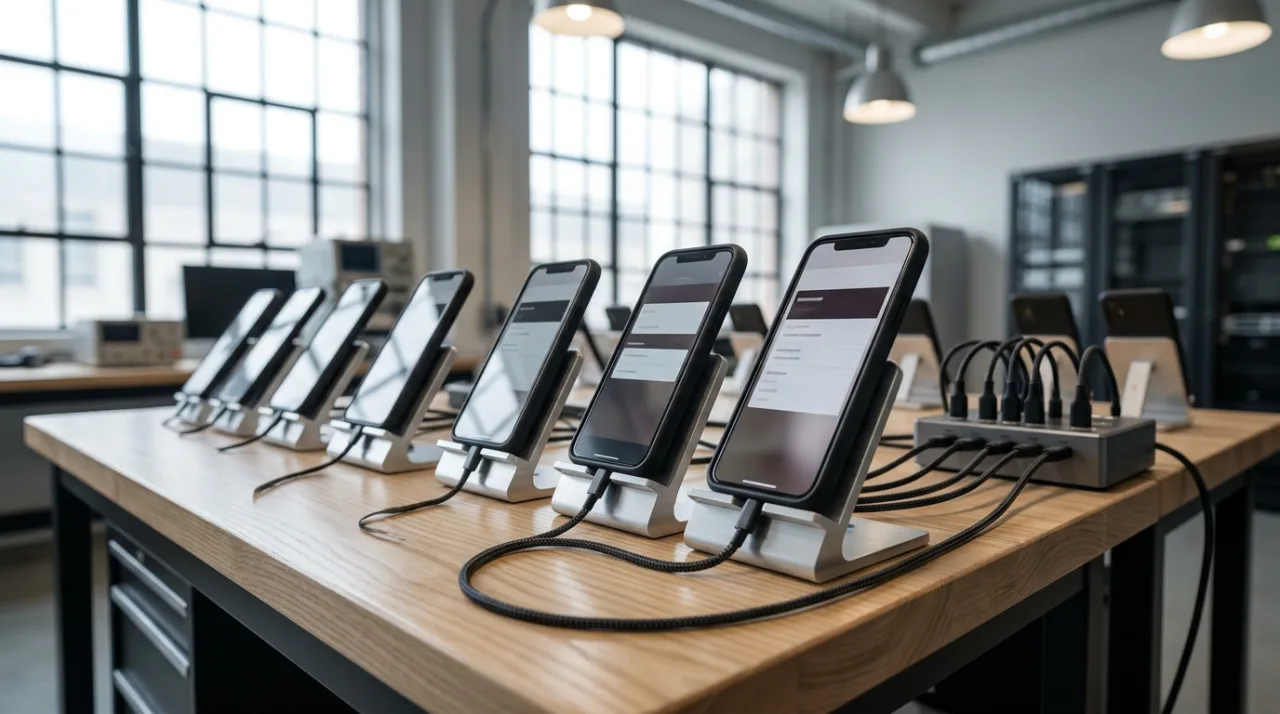
Validators secure the network through randomized, reputation-based consensus that runs on standard smartphones. Participants install an iOS or Android app, earn PHASE tokens for validation duties and receive extra rewards when their devices supply residential connectivity. No specialized hardware or upfront staking is required.
Phase Proxy went live with the mainnet. The service routes AI agent web requests through participating mobile connections to avoid data-center blocks and rate limits. Pay-as-you-go pricing begins at 0.5 USDT per 1,000 requests plus 1 GB of traffic, positioned below typical commercial proxy rates. Agents settle fees in USDT or PHASE tokens using the x402 standard for direct, subscription-free transactions.
The network is EVM-compatible, allowing existing smart contracts and tooling to operate without modification. A portion of service revenue will be directed to open-market purchases of PHASE tokens that fund ongoing node rewards.
Kirill Eves Commits $45 Million and Outlines November Rollouts
Founder Kirill Eves, who established global payments firm Unlimit that processes more than $40 billion annually across 180 countries, provided the entire $45 million commitment. The funding covers roughly two years of active development and an additional two years of operating runway, with no outside investors reported.

Phase Router and Phase Compute are scheduled for release in November 2026. Router will direct requests across leading AI models according to quality, speed and cost metrics. Compute will enable decentralized inference for open-weight models on network devices. A proprietary core model focused on advanced reasoning remains without a public release date.
The project positions itself in the DePIN sector by shifting AI infrastructure away from centralized data centers toward everyday consumer hardware. Eves has noted that many websites currently block automated traffic and that value created by AI agents should be shared with the devices that support their operations.
Next Steps Focus on Device Growth and Service Adoption
Phase plans to extend participation beyond smartphones to desktops and GPUs once the initial mobile base is established. Teams will monitor real-device participation rates, agent adoption of the proxy and router services, and the performance of token reward mechanics. Some launch controls, including a set of genesis validators and certain backend components, remain active during the early period.
Developers and operators can review current validator requirements and pricing details directly on the Phase website. The mainnet launch supplies the first production environment for testing autonomous agent workflows that combine connectivity, inference and payments on a single chain.
Frequently asked questions
When did Phase blockchain launch its mainnet?
The mainnet went live on October 29, 2026, providing the first production environment for AI agent connectivity and payments.
How much funding supports the Phase blockchain project?
Founder Kirill Eves committed $45 million to cover development and operating runway, with no external investors involved.
Can users run Phase blockchain validators on regular phones?
Yes, the network accepts iOS and Android devices through a simple app with no specialized hardware or staking required.
What services will Phase blockchain add in November 2026?
Phase Router and Phase Compute are scheduled to launch, handling model routing and decentralized inference for open-weight AI models.
By YasTech Editorial
Comments 1