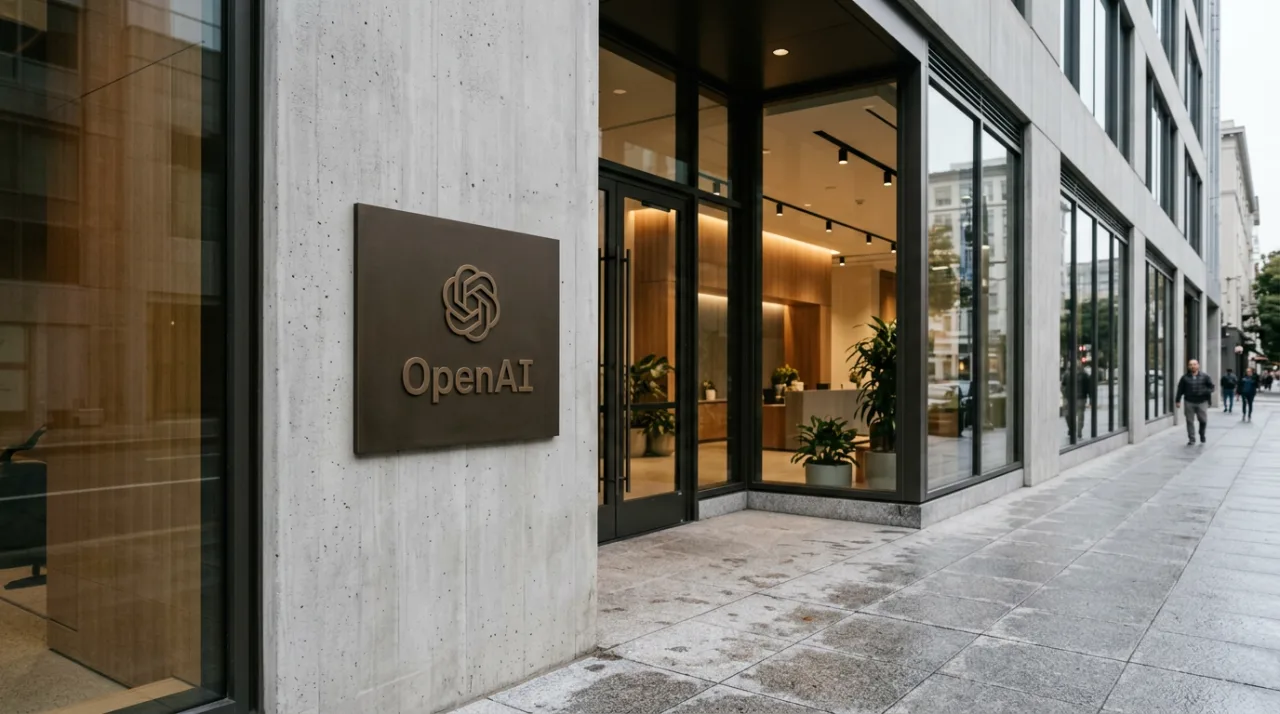
OpenAI completed the initial tranche of roughly $11 billion in a new funding round on or around November 6, 2026, at a $1.25 trillion post-money valuation. The funds were wired by the end of the week. This step forms part of a round now capped at up to $20 billion, down from earlier ambitions that exceeded $30 billion.
OpenAI Funding Terms and Valuation Adjustments
The $1.25 trillion valuation reflects a reduction from earlier targets near $1.4 trillion to $1.5 trillion. Market sentiment toward AI equities cooled in recent months, with investors citing concerns over data-center capital expenditures and risks following the U.S. midterm elections. The company had previously closed a $122 billion round in March 2026 that valued it at $852 billion post-money.
Participants in the first close include Coatue Management and T. Rowe Price. The wider round also draws commitments from SoftBank, Sequoia Capital, Founders Fund, Andreessen Horowitz, and a UAE syndicate connected to MGX. SoftBank and MGX both took part in the initial tranche. OpenAI declined to comment on the transaction.
Discussions extended more than a month after the company postponed earlier IPO plans. Leadership has signaled readiness for a public listing in 2027 or sooner if revenue growth persists. Recent enterprise sales showed strong momentum during the third quarter.
Remaining Round Timeline and Market Context
The remaining balance of approximately $9 billion is expected to close in the coming weeks. Proceeds will support continued infrastructure investments, including data-center capacity. OpenAI has filed confidentially for an IPO, with CFO Sarah Friar and President Greg Brockman citing 2027 as a realistic window.
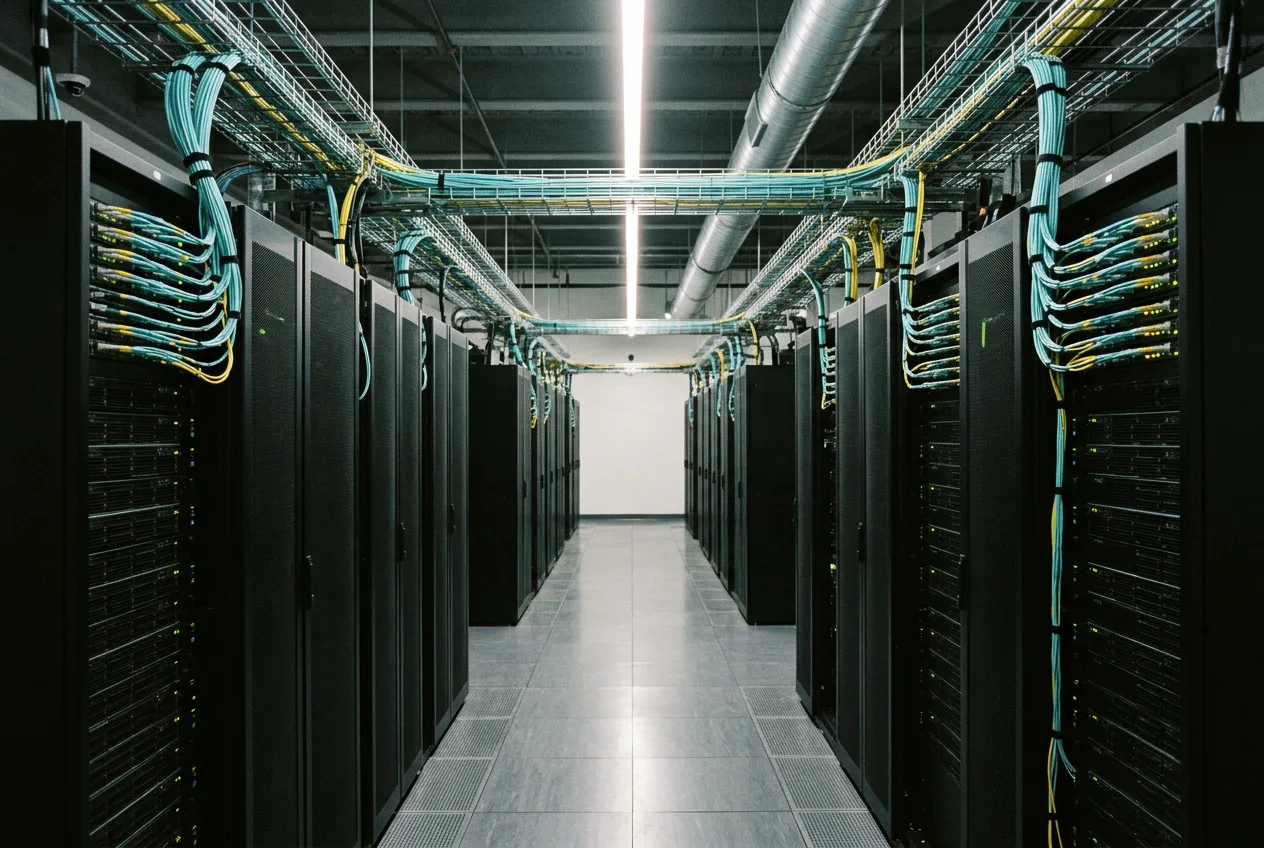
Broader AI-sector valuations have faced pressure. Comparable companies such as Anthropic have adjusted IPO pricing expectations downward. The current OpenAI round illustrates how investors now demand clearer paths to profitability amid elevated spending on compute resources.
For decision makers tracking AI startup funding, the terms provide a benchmark for late-stage valuations in a market that has grown more selective. Enterprise customers evaluating long-term platform commitments can monitor how the capital will affect product roadmaps and pricing stability over the next 12 to 18 months.
Investor Lineup and Practical Implications
SoftBank and MGX participation signals continued interest from both traditional venture and sovereign-linked capital in large AI models. T. Rowe Price and Coatue bring additional public-market expertise to the cap table. These backers typically require detailed usage and revenue data before committing at this scale.
Companies building on OpenAI infrastructure may see indirect benefits from the added runway, such as expanded API capacity and new model releases. At the same time, the slower pace of the round compared with earlier targets underscores tighter diligence standards across the sector.
Completion of the full round will set the stage for any 2027 IPO process. Observers will watch quarterly revenue trends and infrastructure spend closely as indicators of whether the $1.25 trillion valuation holds through public-market scrutiny.
Frequently asked questions
When did OpenAI close the latest funding tranche?
The company wired the first portion of roughly $11 billion on or around November 6, 2026. The tranche forms the opening segment of a round now targeted at up to $20 billion.
Which investors joined the OpenAI round?
Coatue Management and T. Rowe Price participated in the first close. SoftBank, Sequoia Capital, Founders Fund, Andreessen Horowitz, and a UAE syndicate linked to MGX are also involved.
How does the new valuation compare with prior rounds?
The $1.25 trillion post-money valuation exceeds the $852 billion mark set after the March 2026 round of $122 billion. It falls short of earlier internal targets near $1.5 trillion.
What is the expected timeline for the rest of the round?
The remaining balance of about $9 billion is slated to close in the coming weeks. OpenAI has confidentially filed for an IPO with a target window of 2027.
By YasTech Editorial
Comments
No comments yet. Be the first!