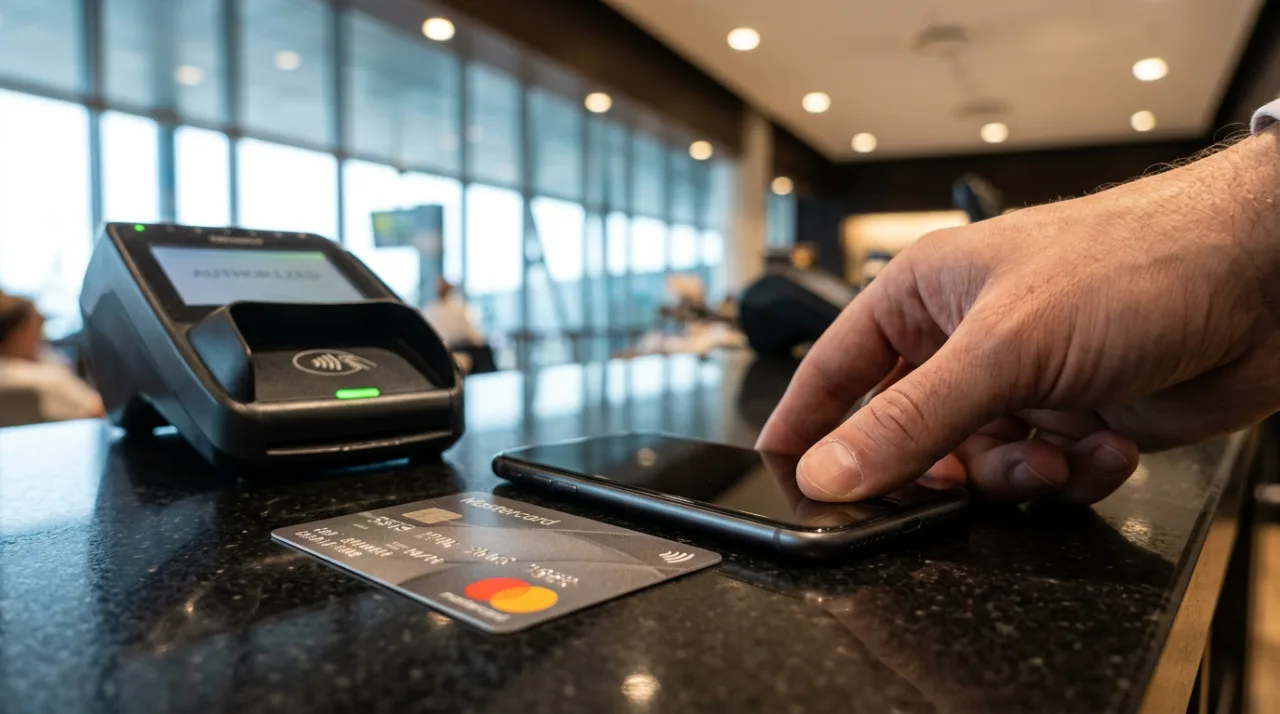
Mastercard introduced expanded capabilities for its Payment Passkey Service on cross-border digital payments as of January 2026. The service uses on-device biometrics such as fingerprint or face scan together with network tokenization to enable password-free checkout. It targets rising digital fraud while supporting guest transactions through Click to Pay.
Mastercard Biometric Authentication Technology and Standards
The core of the service rests on FIDO, W3C and EMVCo standards. Card numbers are replaced by tokens through Mastercard Digital Enablement Service. Biometric data remains on the user device and is never transmitted to Mastercard or merchants. This architecture supports both saved-card and guest checkout flows.
Mastercard reports that 80 percent of breaches involve weak or stolen passwords. Internal data shows tokenization lifts approval rates by 3 to 6 percent. In markets where biometrics replaced one-time passwords, fraud dropped by a factor of 2.5. Ninety percent of surveyed users rated biometrics as both more secure and more convenient than passwords or OTPs.
The approach builds on more than a decade of tokenization work. Over 30 percent of global Mastercard transactions are now tokenized, with near-100 percent tokenization in Indian e-commerce. Earlier biometric pilots, including fingerprint-enabled cards, provided the foundation for the current passkey rollout.
Rollout Timeline and Cross-Border Integrations
The service first piloted in India in August 2024 with Axis Bank, Juspay, Razorpay and PayU. Expansion reached Singapore and the United Arab Emirates by November 2024, followed by Brazil in early 2025. A key cross-border milestone occurred in January 2026 when Tencent integrated the service into its MIDAS platform. Users can now complete international top-ups for titles such as PUBG Mobile using device biometrics and Click to Pay.
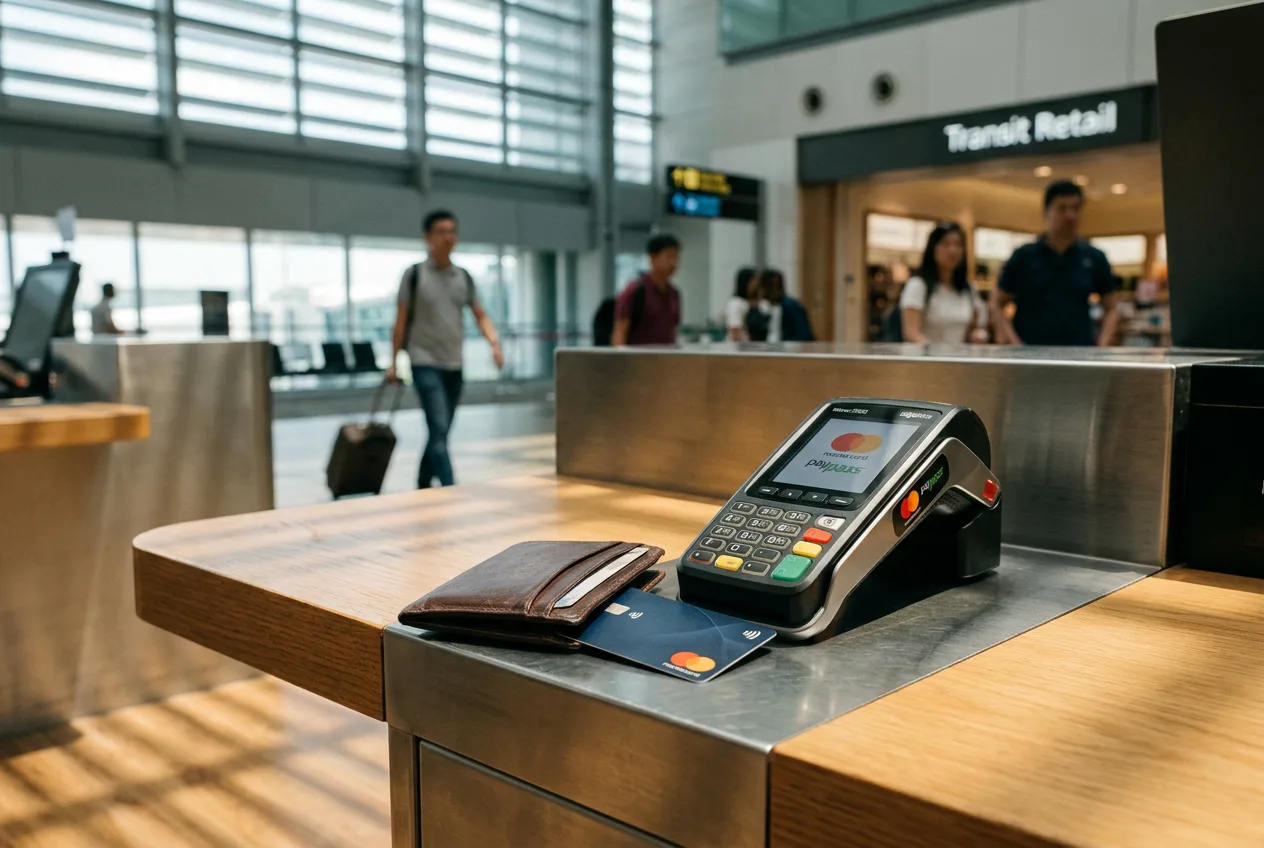
In September 2026 Mastercard previewed a partnership with Google Pay at the Global Fintech Fest. The collaboration brings consumer device cardholder verification to Google Pay in India for utility bills, mobile recharges and merchant payments. Eligible cardholders will see the feature by the end of 2026. Mastercard continues to target full password- and number-free checkout across Asia-Pacific by 2030, with intermediate tokenization goals set for Singapore, Malaysia and Vietnam by 2027.
These steps address cart abandonment and phishing risks that previously relied on OTP delivery. Merchants gain higher conversion rates while consumers avoid managing multiple passwords across borders. The global vision announced in November 2024 remains on schedule despite varying regulatory timelines in different regions.
Practical Implications for Merchants and Cardholders
Merchants integrating the passkey service can expect measurable reductions in fraud-related chargebacks and improved checkout completion. The combination of tokenization and device-bound biometrics limits exposure of sensitive data during international transactions. Cardholders benefit from a single biometric step that works across participating wallets and payment rails.
Businesses handling high volumes of cross-border digital goods, such as gaming and entertainment platforms, gain immediate access through partners like Tencent. Financial institutions already using Mastercard tokenization can add the biometric layer without new hardware requirements for end users. Continued partner announcements are expected through 2027 as more markets reach full tokenization thresholds.
Frequently asked questions
How does Mastercard Payment Passkey Service protect biometric data?
Biometric information stays on the user device and is never shared with Mastercard or merchants. Authentication occurs locally using FIDO-compliant passkeys before a tokenized transaction is authorized.
Which markets have adopted the Payment Passkey Service so far?
India launched the first pilot in August 2024. Singapore, the UAE and Brazil followed through early 2025. A Tencent cross-border integration went live in January 2026, with Google Pay support planned for India by year-end 2026.
What fraud reduction results has Mastercard reported?
Tokenization alone raises approval rates by 3 to 6 percent. In tested markets, replacing OTPs with biometrics cut fraud by a factor of 2.5. Mastercard links 80 percent of breaches to compromised passwords.
Does the service require users to save cards in advance?
No. Click to Pay enables guest checkout with tokenized credentials and device biometrics, removing the need for saved card details while maintaining security standards.
By YasTech Editorial
Comments 1