Canva released Canva Craft on October 22, 2026, its first in-house image generation foundation model trained entirely by Canva Research. The model debuted at fourth place on the DesignArena crowdsourced leaderboard with an Elo rating near 1340, behind three OpenAI entries and ahead of offerings from Google, Microsoft, and Meta.
Two-Stage Architecture Optimized for Design Workflows
Canva Craft employs a planning model that converts user prompts into detailed composition plans covering elements, spatial relationships, scale, hierarchy, and text placement. A separate rendering model then produces the final image at up to 2K resolution across more than 30 aspect ratios or custom dimensions.
The system was trained primarily on millions of human-created Canva design templates rather than photographs, which improves handling of legible text and structured layouts. Prompts work in any language, and the model supports text rendering in 55 languages.
Outputs integrate directly with Canva Magic Layers, producing editable layered files instead of flat images. Canva Shield moderation and privacy controls are active by default for all generations.
DesignArena Rankings and Category Leadership
On launch day, Canva Craft placed first globally in the People & Portraits category among 87 models and first in Landscapes & Nature among 85 models. It ranked second in Abstract & Patterns and fourth in Products.
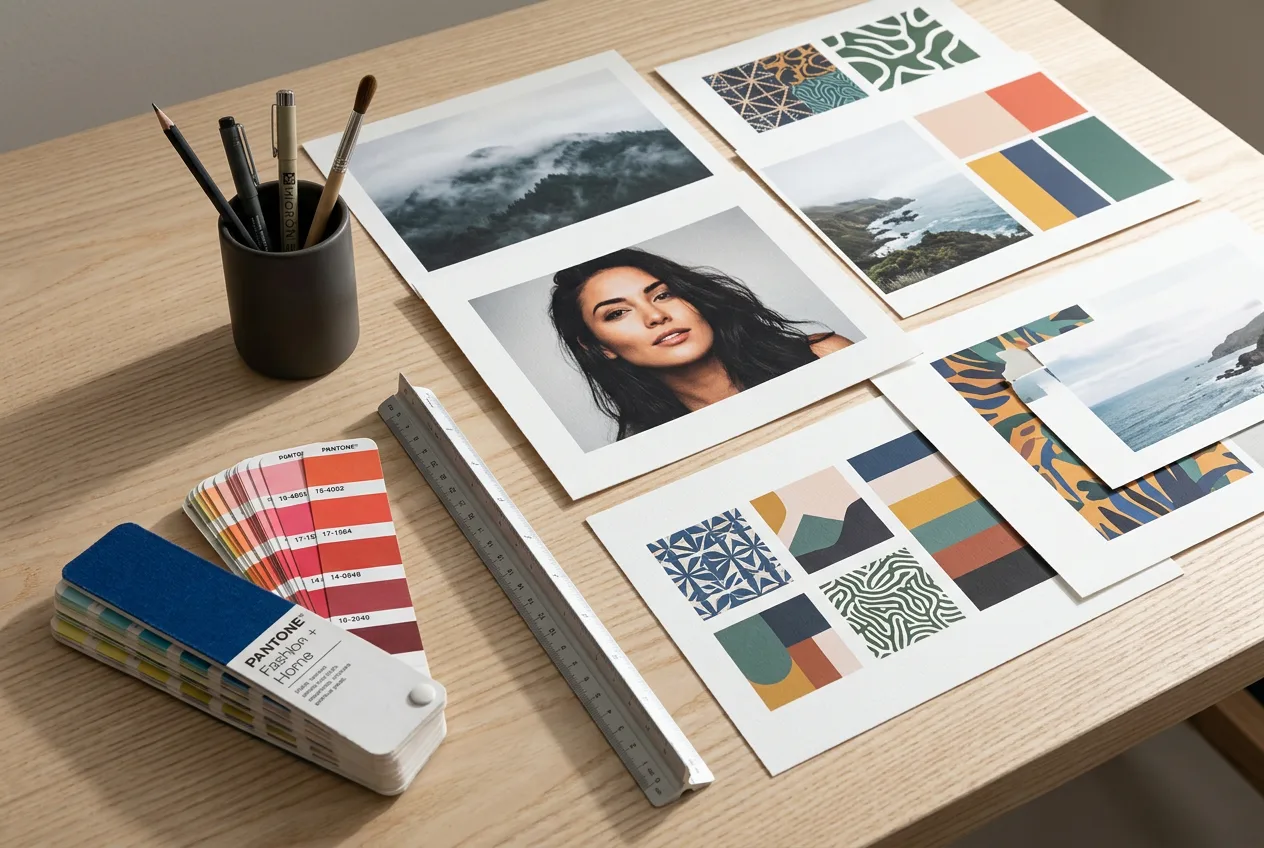
These results positioned Canva Research as the second-strongest AI lab on the platform behind OpenAI. The model is available immediately to all Canva users through Dream Lab and to developers via the public Connect API using the craft_v1_2k identifier and AI credits.
Users can generate images in any supported aspect ratio and receive layered files ready for further editing inside Canva, which reduces the steps required to incorporate AI output into professional design projects.
Availability, API Access, and Planned Updates
Canva Craft is live worldwide today for subscribers and free users alike. Developers can test it through the preview endpoint on the Connect API without additional sign-up beyond an existing Canva account.
Future releases include faster and lower-cost variants named Craft-fast and Craft-ultrafast. Canva also plans to add MCP integration that will let third-party agents such as ChatGPT and Gemini trigger generations directly.
Engineering teams continue work on fine print rendering, technical drawings, and further speed improvements. The current release already demonstrates measurable gains in layout accuracy and multilingual text quality compared with earlier external models used by the platform.
Frequently asked questions
How does Canva Craft differ from previous Canva AI image tools?
Canva Craft is the first model developed and trained entirely in-house by Canva Research on design templates rather than external datasets. It produces layered, editable outputs and supports more than 30 aspect ratios with native multilingual text.
Where can developers access Canva Craft through an API?
The model is available via the public Connect API under the identifier craft_v1_2k. Developers use AI credits to call the preview endpoint and receive generated images.
What are the current top rankings for Canva Craft on DesignArena?
It sits fourth overall with an Elo rating around 1340. The model leads in People & Portraits and Landscapes & Nature categories and holds second place in Abstract & Patterns.
When will faster versions of Canva Craft become available?
Canva has stated that Craft-fast and Craft-ultrafast variants are planned for release in the coming months, alongside MCP integration for external AI agents.
By YasTech Editorial
Comments 2