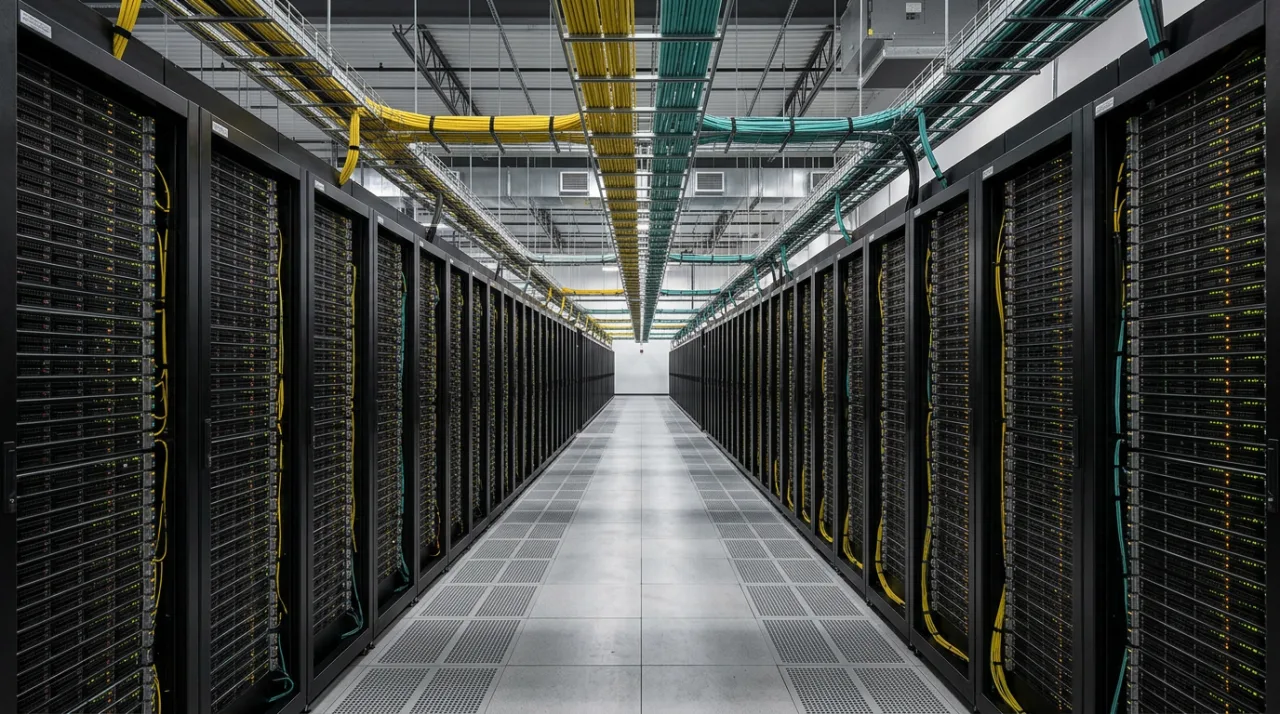
On October 23, 2026, Amazon CEO Andy Jassy stated that AWS cloud computing capacity for 2026 is sold out and 2027 is largely sold out, with some slots held for on-demand use, Bedrock inference, and EC2. The constraints stem from surging demand by AI labs and enterprises for AI infrastructure, combined with steady growth in conventional cloud workloads.
AWS Capacity Commitments and Contract Backlog
Jassy noted that a meaningful portion of 2028 capacity is already committed. As of June 30, 2026, AWS carried a contract backlog of approximately $496 billion, up from $364 billion three months earlier and more than double the year-ago figure. This backlog equals nearly three years of revenue at the then-current annualized run rate of roughly $169 billion.
In the second quarter AWS posted revenue of $42.2 billion, a 37 percent increase from the prior year and the fastest growth pace in 18 quarters. Operating margin reached 39.4 percent. Both the AWS AI-related business and Amazon’s custom chips business each surpassed a $25 billion annual run rate, with most new AI capacity contracted on multi-year terms of five years or longer.
Amazon plans capital expenditures of about $220 billion for 2026, an increase from the earlier target of $200 billion. Despite the added spending, Jassy said the company continues to turn away demand because of limits on data-center space, power availability, and memory supply.
Supply Bottlenecks and Capital Plans
Key constraints include shortages of data-center space and power as well as trade-offs in memory allocation between high-bandwidth memory required for AI and standard DRAM. Jassy indicated that supply limits on various components are likely to persist for several years beyond 2027. Hyperscalers across the industry face similar pressures, although Amazon states it is bringing more live capacity online than most peers.
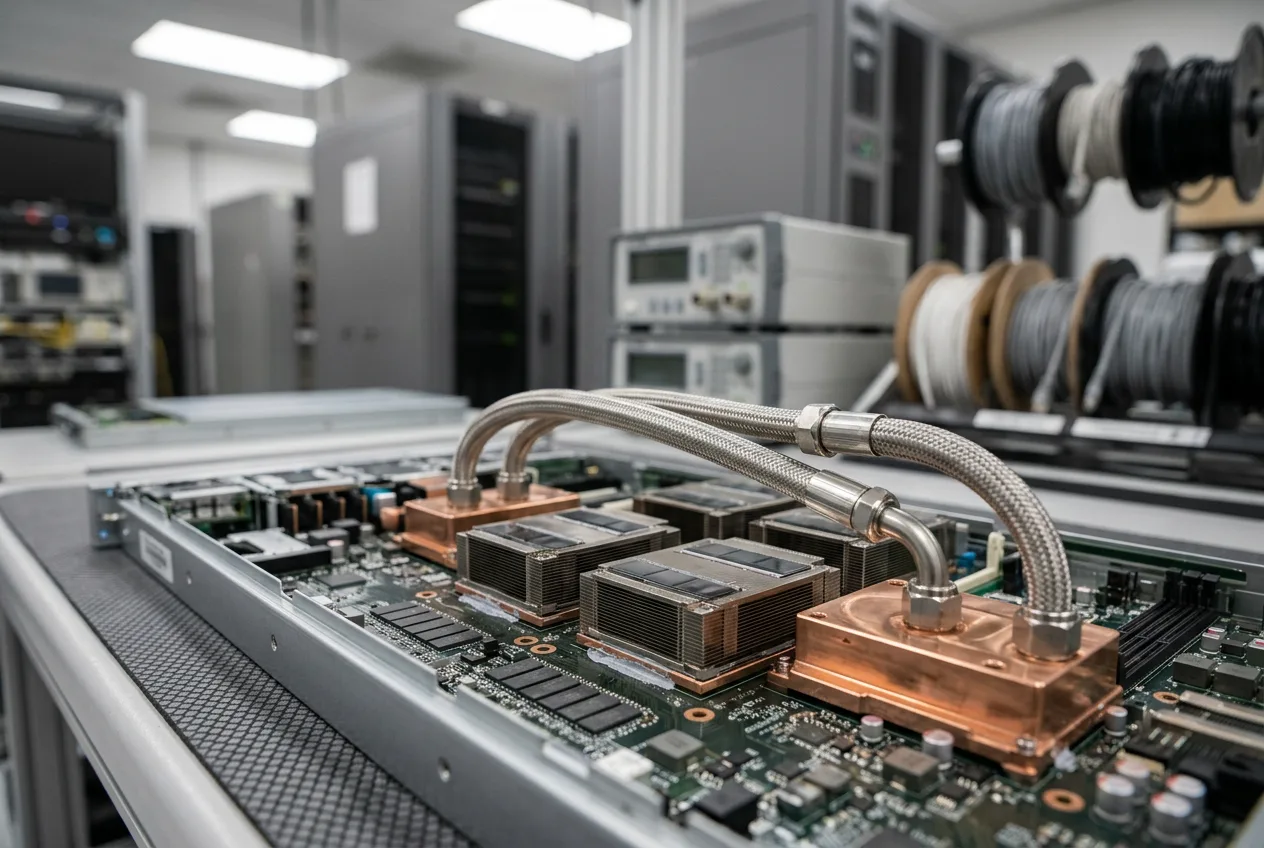
The company must balance allocation decisions between long-term AI contracts and shorter-term, higher-margin workloads. Construction timelines for new facilities often run two years or more, limiting near-term relief. Amazon continues to expand its own custom silicon offerings to ease dependence on external memory and accelerator suppliers.
Outlook Ahead of Q3 2026 Earnings
Amazon is scheduled to report third-quarter results after market close on October 29, 2026. Analysts expect revenue near $202 billion and will watch for updates on backlog conversion, margin trends, and any revisions to 2026 or 2027 capital spending. Investors and enterprise customers will also look for signals on how AWS intends to prioritize remaining capacity among competing AI and non-AI workloads.
Longer-term resolution depends on power generation projects, memory production ramps, and new data-center builds. Enterprises evaluating multi-year cloud commitments should factor current capacity tightness into contract negotiations and consider reserved instances or custom-chip options where available.
Frequently asked questions
How much of AWS 2027 capacity remains available?
CEO Andy Jassy described 2027 capacity as largely sold out, with limited slots reserved for on-demand, Bedrock inference, and EC2 workloads.
What is driving the AWS capacity shortage?
Strong demand from AI training and inference workloads, plus continued growth in standard cloud services, has outpaced available power, space, and memory supply.
When will Amazon report updated capacity and capex figures?
Amazon will release Q3 2026 earnings after market close on October 29, 2026, with expected commentary on backlog conversion and spending plans.
What does the $496 billion backlog imply for AWS revenue?
The backlog at the end of Q2 2026 equals nearly three years of revenue at the then $169 billion annualized run rate, indicating strong multi-year visibility.
By YasTech Editorial
Comments 1