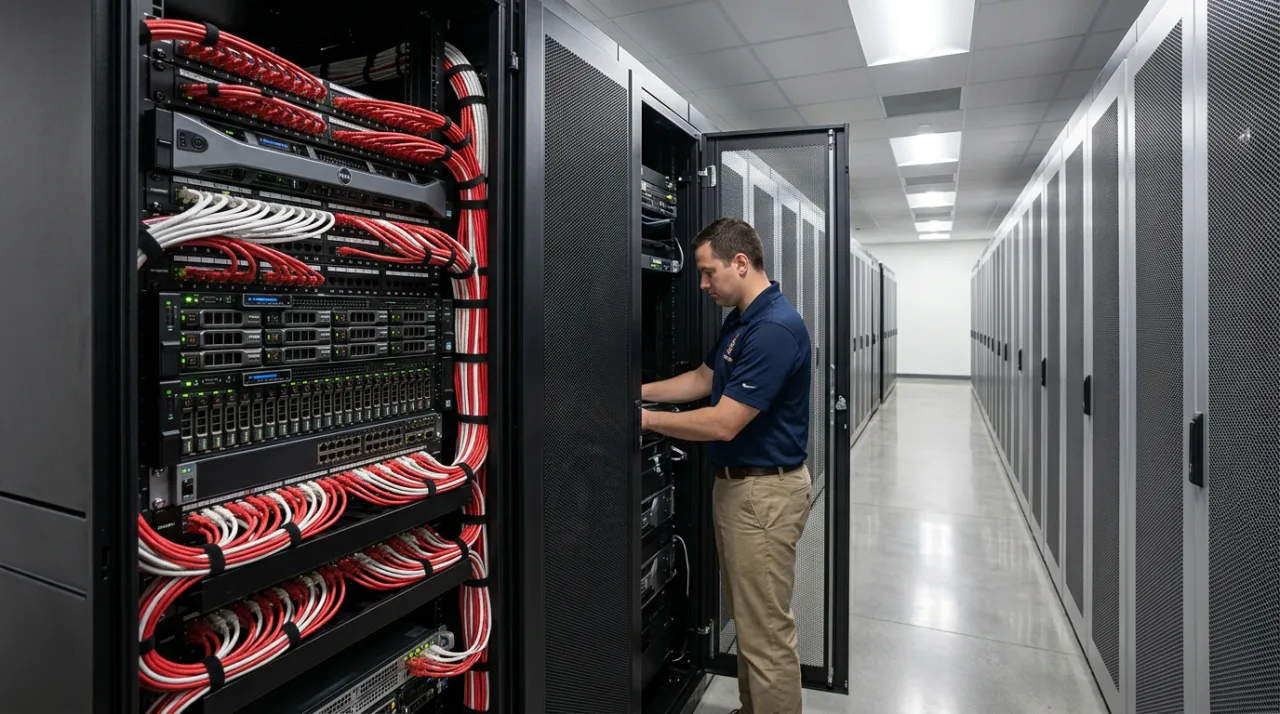
Avalanche L1s, previously known as Subnets, allow organizations to launch independent blockchains that run in parallel with the Primary Network. Each L1 maintains its own validators, gas token, and rules, supporting use cases that require predictable throughput and custom compliance controls.
Avalanche L1 Performance and Recent Upgrades
The Etna upgrade, deployed on mainnet December 16, 2024 through ACP-77, removed the requirement for L1 validators to also validate the Primary Network. The change replaced a 2,000 AVAX stake with a continuous fee of approximately 1.33 AVAX per month per validator, lowering launch and operating costs by more than 99.9 percent. Validator sets are now managed through smart contracts on each L1.
Helicon, activated September 22, 2026, introduced continuous execution on the C-Chain and a validator-voted base fee floor near 5 nAVAX. The upgrade reduced bot activity while sustaining or increasing fee burn. Combined L1 throughput has recently averaged around 28 TPS across tracked networks, with individual chains showing higher figures on gaming and decentralized exchange workloads.
Primary Network C-Chain stress tests have reached theoretical peaks near 4,500 TPS, though sustained real-world rates remain lower, often in the low tens. L1s deliver horizontal scaling because aggregate capacity grows as additional independent chains come online, each with dedicated resources.
Institutional Deployments and Use Cases
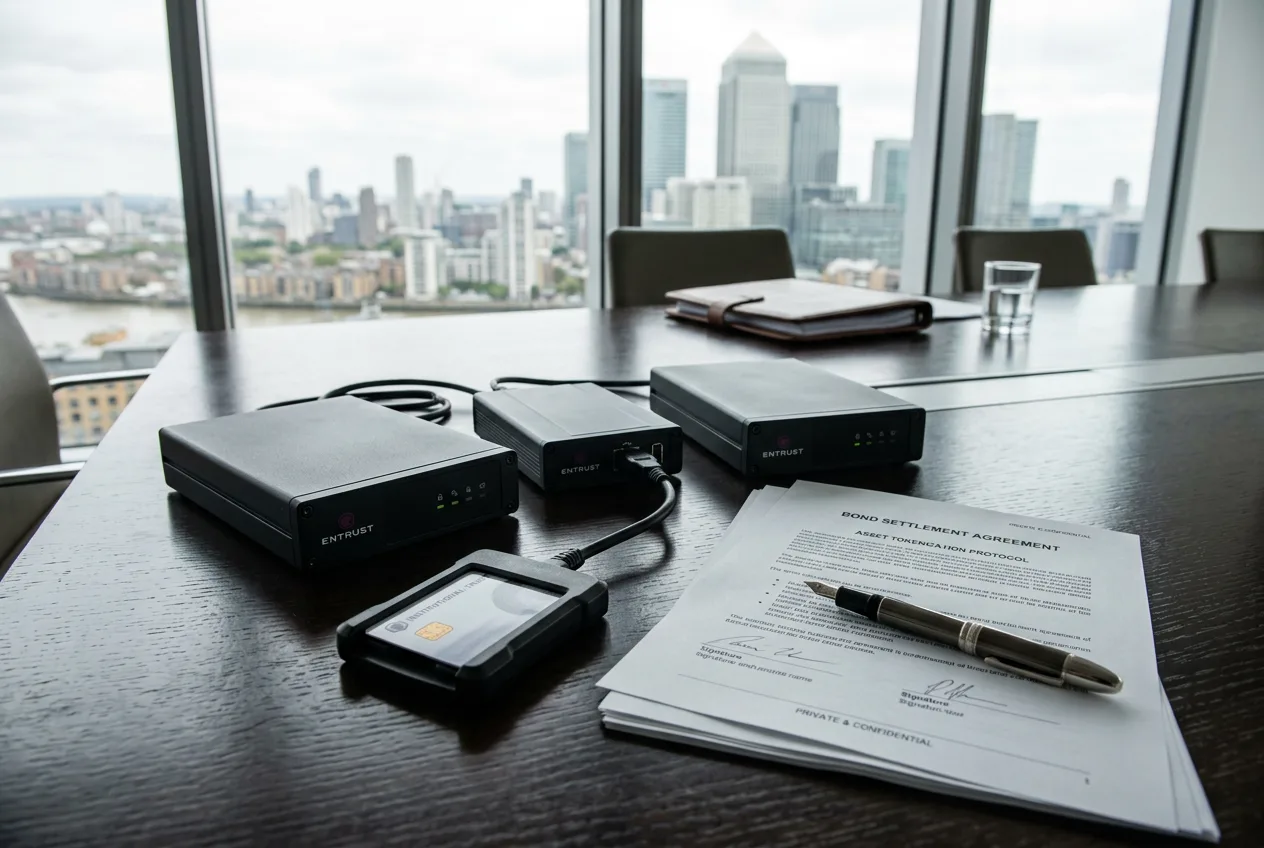
Approximately 65 mainnet L1s operate as of recent data, with more than 40 managed through AvaCloud. Permissioned and semi-permissioned deployments handle real-world asset tokenization and settlement. Dinari Financial Network runs an L1 for U.S. securities, while Tassat Lynq migrated to a dedicated Avalanche L1 for real-time settlement after processing more than $2.5 trillion historically, including a Goldman Sachs Treasury fund.
Additional L1s support gaming projects such as Beam and DeFi Kingdoms, along with compliance-focused applications from Blockticity, Dexalot, and FIFA Blockchain. Interchain Messaging enables direct communication between L1s and the Primary Network without bridges, preserving access to shared liquidity.
Enterprises gain control over validator selection, gas economics, and regulatory parameters while connecting to broader Avalanche liquidity. AvaCloud provides managed infrastructure that further reduces operational overhead for teams without dedicated blockchain staff.
Outlook for Tokenization and Payments
Continued L1 launches are expected in tokenization, payments, and gaming verticals through the end of 2026. Operators monitor aggregate TPS, validator counts, and institutional deployments through public explorers and Dune dashboards. The combination of lower entry costs after Etna and independent performance characteristics positions Avalanche L1s for additional enterprise pilots in regulated finance.
Frequently asked questions
What changed for Avalanche L1 validators after the Etna upgrade?
Validators no longer need to stake 2,000 AVAX or validate the Primary Network. They now pay a continuous fee of roughly 1.33 AVAX per month, managed through smart contracts on each L1.
How do Avalanche L1s achieve horizontal scaling?
Each L1 runs with its own validator set and gas token, processing transactions independently. Adding more L1s increases total network capacity without affecting existing chains.
Which institutions currently use Avalanche L1s?
Tassat Lynq operates a dedicated L1 for settlement services that have handled over $2.5 trillion. Dinari runs an L1 for U.S. securities tokenization, and additional chains support gaming and compliance projects.
What is the current combined throughput of Avalanche L1s?
Recent explorer data shows combined L1 throughput near 28 TPS, with individual chains recording higher rates depending on workload type such as gaming or trading.
By YasTech Editorial
Comments 4