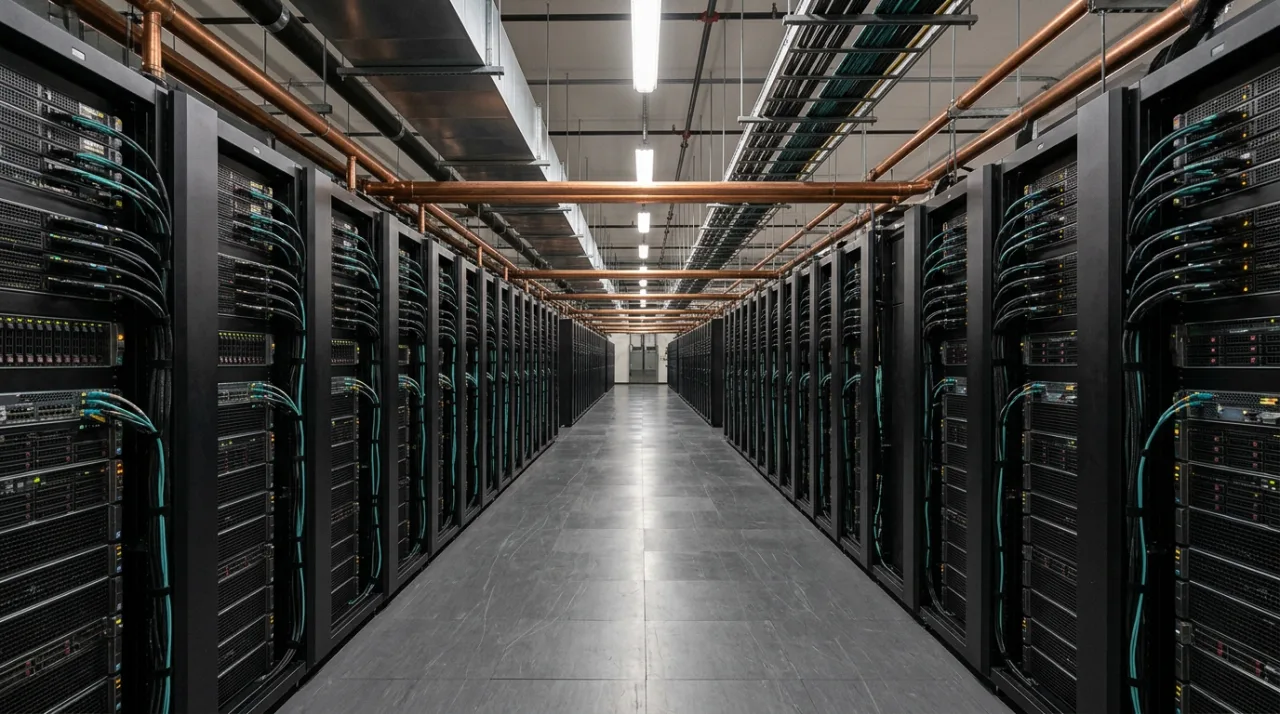
Alphabet, Meta, Microsoft, Amazon and Oracle have committed more than $3 trillion in total spending on AI data centers, leases, equipment, energy contracts and related infrastructure. The figure, tallied by Bloomberg on October 30 2026, covers both short-term purchase orders and multi-decade lease obligations.
The commitments reflect continued demand for compute capacity that exceeds current supply. Cloud revenue growth and GPU shortages reported through the third quarter of 2026 support the scale of these plans.
2026 Capex Guidance and Q3 Spending Trends
Combined capital expenditure guidance for calendar or fiscal 2026 stands near $700–735 billion across the five companies. Amazon projects roughly $220 billion, with the majority allocated to AWS and AI infrastructure. Alphabet expects $195–205 billion, Microsoft $170–175 billion including finance leases, Meta $135–145 billion and Oracle $90–95 billion through May 2027.
Third-quarter 2026 results already show the acceleration. Amazon spent $77.3 billion, up 120 percent year over year. Alphabet reported $51.4 billion (+114 percent), Microsoft $45.2 billion (+30 percent), Meta $34.9 billion (+80 percent) and Oracle $28.5 billion (+235 percent). The five companies together spent $237.3 billion in the quarter versus $121.9 billion a year earlier.
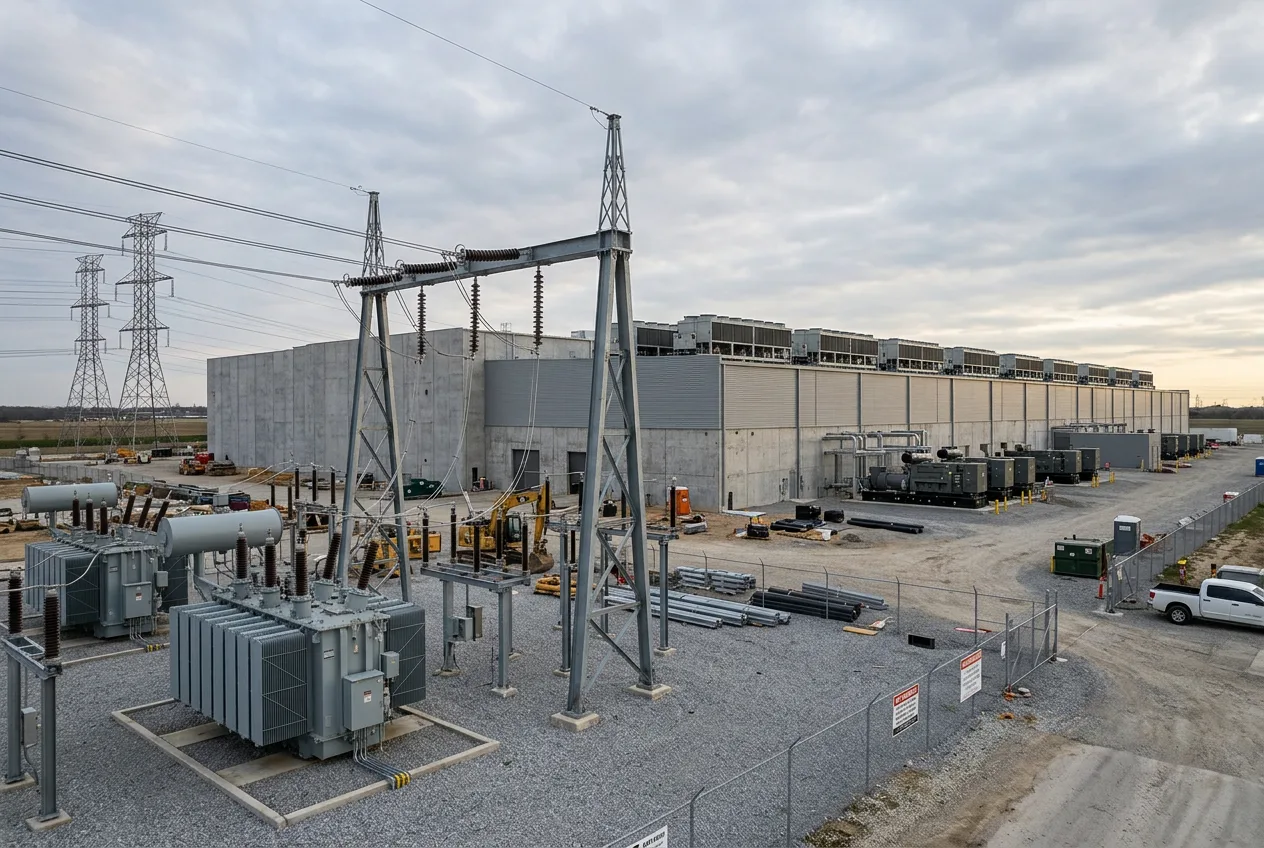
These outlays fund construction of owned facilities, third-party data center leases and power infrastructure. Capacity constraints are expected to persist into 2028, with several firms noting demand that continues to outpace available supply.
Long-Term Commitments and Cash Flow Impact
The Bloomberg tally places total future obligations above $3 trillion, up from approximately $2.4 trillion earlier in 2026 once Oracle is included. Alphabet accounts for more than $1 trillion, Meta for more than $800 billion. The total splits into roughly $1.9 trillion in purchase commitments and $1.3 trillion in leases not yet commenced.
Free cash flow turned negative for several firms in recent quarters. Alphabet recorded negative $9.1 billion in the third quarter, Meta negative $2.1 billion and Amazon negative $42.4 billion on a trailing twelve-month basis. Microsoft remained cash-flow positive. Companies are funding the gap through debt issuance, equity raises, customer prepayments and joint ventures.
Background spending in 2025 totaled roughly $388 billion for four of the firms. The jump to current levels coincides with broader cloud revenue gains, including Google Cloud reaching $30.7 billion in the third quarter, up 103 percent.
Outlook for Capacity and Returns
Fourth-quarter 2026 results and 2027 guidance will clarify further increases. Alphabet and Meta have signaled significantly or aggressively higher spending, while Amazon expects meaningfully more investment. Oracle anticipates a capex peak in the near term and positive free cash flow by the second half of fiscal 2028.
Investors and enterprise customers should monitor utilization rates, margin trends and realized returns on these AI data centers projects. Continued expansion supports higher cloud service availability but also raises questions about eventual overbuild risk flagged by analysts.
Frequently asked questions
Which companies account for the largest share of the $3 trillion AI data centers commitments?
Alphabet holds more than $1 trillion and Meta more than $800 billion according to the October 2026 Bloomberg tally. The remaining balance is distributed among Microsoft, Amazon and Oracle.
How does 2026 capex compare with 2025 levels?
Combined guidance for the five firms reaches $700–735 billion, nearly double the roughly $388 billion spent by four of them in 2025.
What is driving the increase in AI data centers spending?
Demand for GPUs, custom chips and power infrastructure continues to exceed supply, supported by cloud revenue growth above 100 percent year over year at several providers.
Will free cash flow remain negative for these companies?
Several firms reported negative free cash flow in recent quarters, but Oracle expects a return to positive territory by the second half of fiscal 2028 as capex peaks.
By YasTech Editorial
Comments 3