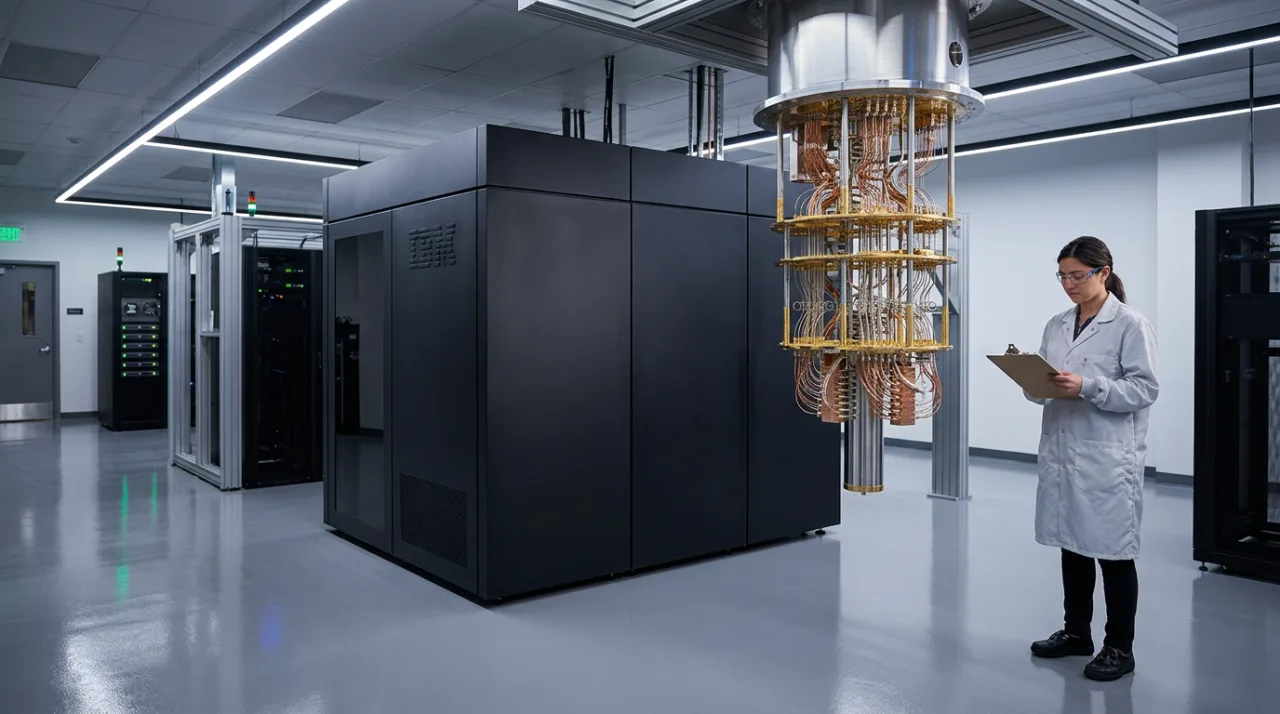
The IBM Quantum Network has reached 325 members as of November 2026, with recent additions of corporate and startup partners that target hybrid cloud quantum workloads. Growth reflects IBM’s strategy of combining its utility-scale superconducting processors with classical cloud resources for practical enterprise applications.
IBM Quantum Network Growth and Recent Corporate Additions
IBM’s official network page now lists more than 325 members, up from earlier counts around 250 to 275. The increase includes both commercial partners and industry clients, with at least 65 startups and 70 enterprise organizations participating. New members join through individual announcements and regional Quantum Innovation Centers rather than a single mass event.
Zapata Quantum joined in October 2026 to connect its Quantum Pilot platform with IBM’s Nighthawk processors for tasks such as molecular simulation and optimization. Earlier work between the two companies produced a Nature Biotechnology paper on KRAS inhibitors. Globant became a member in November 2025 to extend quantum services to Latin American clients, while LTIMindtree joined in late 2025 as the first Indian global system integrator in the network. Additional startups including Bloq Quantum have entered the startup program.
These partnerships give members access to IBM’s cloud fleet of 100-plus qubit systems, the Qiskit software stack, and tools for running hybrid classical-quantum algorithms. On-prem and co-located deployments, such as Yonsei University’s Nighthawk system and the Swiss hub at ETH Zurich, further support this model.
Hybrid Cloud Quantum Applications and Industry Impact
Members use the network for pilots in chemistry, finance, healthcare, and materials science. The emphasis on hybrid workloads allows classical preprocessing and post-processing to run alongside quantum circuits, reducing the impact of noise on current hardware. IBM continues to target quantum advantage demonstrations in 2026 and fault-tolerant systems by 2029.
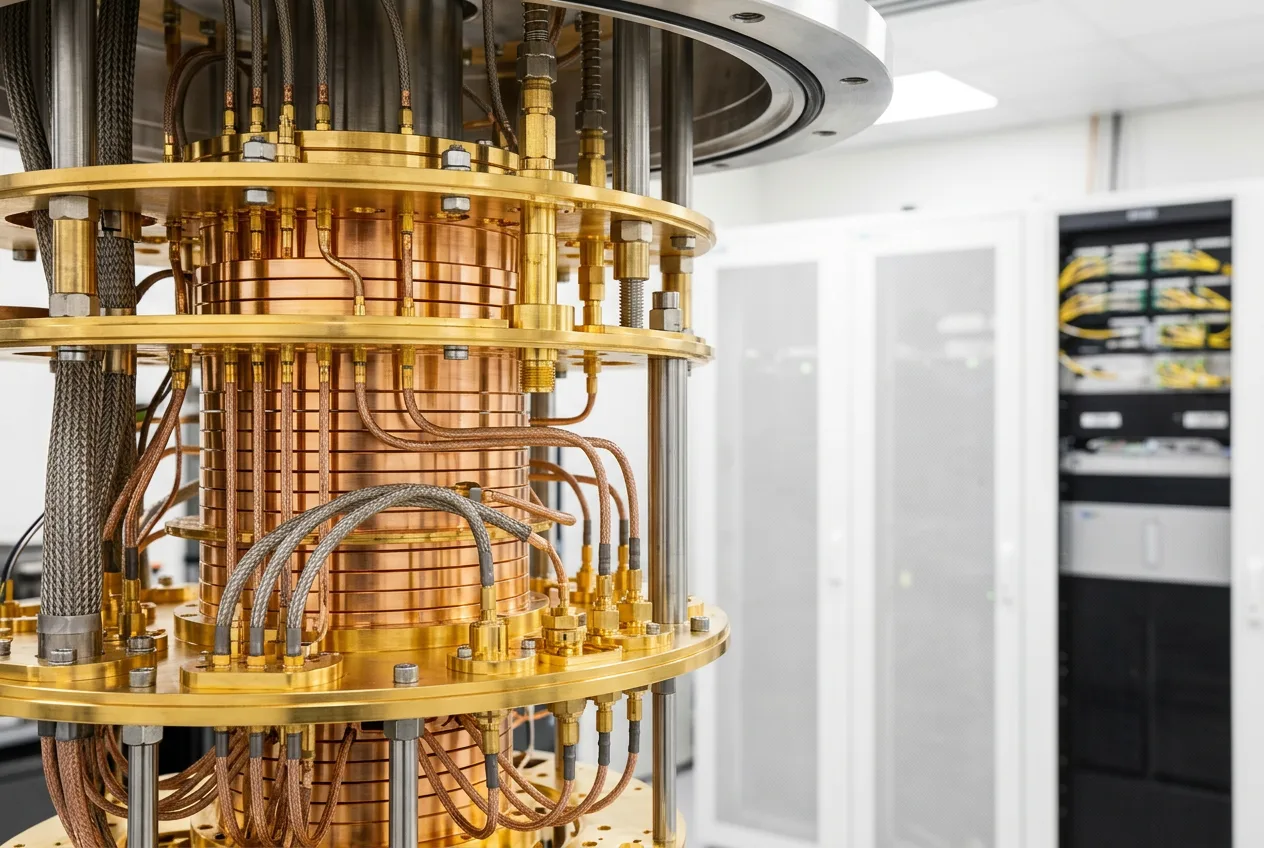
Hardware scaling supports these efforts. The Nighthawk processor line is scheduled to exceed 1,000 qubits in 2027, and co-design projects with partners such as ORNL and AMD focus on quantum error correction within integrated environments. Workforce development programs and 35 Quantum Innovation Centers provide regional training and collaboration points.
Partners cite the need to prepare internal teams and identify return on investment as hardware improves. Scott Crowder of IBM has highlighted the value of the network’s reach across Fortune 500 companies, universities, and startups for accelerating commercial readiness.
Next Steps for IBM Quantum Network Members
IBM plans continued partner recruitment, additional on-prem deployments, and expanded Qiskit Functions contributed by network members. Hardware roadmaps point to larger systems and improved error rates through 2027. Organizations evaluating quantum computing enterprise solutions can review current member case studies and request access through the IBM Quantum Network page to assess hybrid cloud quantum options against their own workloads.
Frequently asked questions
How many members does the IBM Quantum Network currently have?
The network lists more than 325 members as of November 2026, including over 65 commercial partners and startups plus 70 industry clients.
What recent companies joined the IBM Quantum Network?
Zapata Quantum joined in October 2026, Globant in November 2025, and LTIMindtree in late 2025. Additional startups have entered the startup program.
How do members use hybrid cloud quantum systems?
Members run hybrid classical-quantum workflows on IBM’s cloud fleet of utility-scale processors and Qiskit software, often combining cloud access with on-prem deployments.
What hardware milestones are planned for IBM quantum systems?
The Nighthawk processor line is set to scale beyond 1,000 qubits in 2027, supporting continued progress toward 2026 advantage demonstrations.
By YasTech Editorial
Comments 4